Hyatt Regency Trinidad: Re-certified as Trinidad’s Pioneer in Sustainable Hospitality

Hyatt Regency Trinidad continues to set the benchmark for sustainable hospitality in the Caribbean, having achieved Green Key certification in May 2024 as the first hotel in Trinidad to do so—and now, on 15th July 2025, the hotel has firmly established itself as a leader in sustainable hospitality through its comprehensive approach—spanning waste reduction, energy efficiency, social inclusion, and guest engagement—serves as a model for the industry in Trinidad and beyond.

Sustained Excellence in Waste Management and Community Partnerships

A cornerstone of Hyatt Regency Trinidad’s sustainability strategy is its partnership with the Emperor Valley Zoo, where the hotel donates fruit and vegetable scraps to support animal nutrition. This initiative, which continues today, diverts organic waste from landfills and strengthens community ties. The amount of food waste sent to the zoo varies with hotel activity but remains a consistent part of operations, regardless of technological advancements.

The hotel’s adoption of Winnow food waste technology has further enhanced its ability to measure and reduce kitchen waste. Hyatt Regency Trinidad encourages all hotels to embrace the core principle of tracking and recording food waste, as this data-driven approach is key to meaningful reduction.

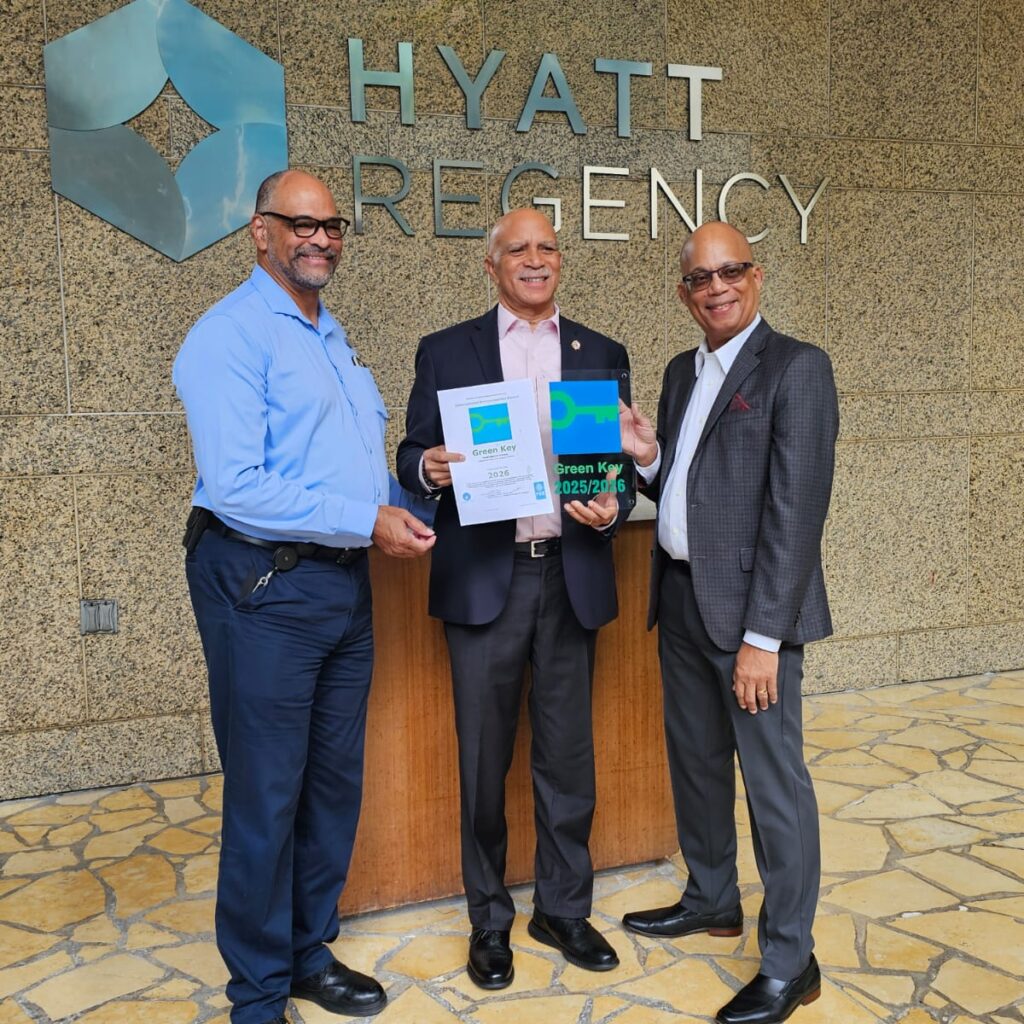
To hand over the award was Green T&T Director Willard P. Harris who congratulated the Hyatt Regency Trinidad as a proud Green Key organisation.

Left to right: Hyatt Engineering Manager, Mr Patrick Borley, General Manager Mr Michael Hooper and Green T&T Director Mr Harris. 

Championing Social Inclusion

Hyatt Regency Trinidad’s sustainability efforts extend to social responsibility, with initiatives Hyatt’s global RiseHy program. This program creates employment opportunities for young adults facing socio-economic challenges, all operational departments take part. These efforts reflect the hotel’s holistic approach to responsible business and community upliftment.

Energy Efficiency and Resource Conservation

The hotel has achieved a significant reduction in energy consumption, thanks to initiatives like scheduled air conditioning controls and ongoing energy audits. These measures are part of Hyatt’s broader sustainability goals, which include reducing energy, water, and waste per guest night by 2030. The recertification process highlighted Hyatt Regency Trinidad’s continued innovation and commitment to resource efficiency.

General Manager Michael Hooper reflects on this journey , ‘I continue to be proud and amazed with the efforts of our team, especially Patrick Borely, Ahmed Ali, Virgil Khan, Humberto Canales, Tracy Awai and their respective teams as well as countless others who work to ensure these and other initiatives are being practiced regularly.

Hyatt Regency Trinidad’s recertification is not just a milestone, but a reaffirmation of its daily commitment to making a positive impact on the environment, the community, and future generations.

Tobago strengthens its position as a leader in sustainable tourism with the 

2024 Blue Flag National Operators Meeting 

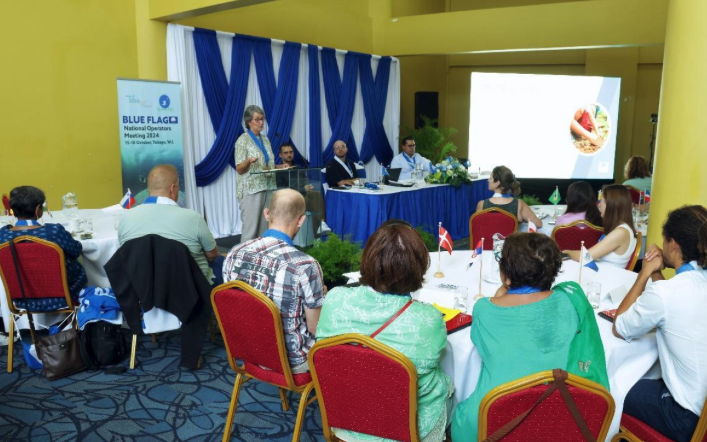
Photo Caption: Ms. Lesley Jones, President of the Foundation for Environmental Education, leads discussions alongside (seated from left) Mr. Johann Durand, Director of Blue Flag International; Mr. Alessandro Ventil, Blue Flag International Coordinator; and Mr. Joaquín Díaz, FEE Director for Blue Flag.

Scarborough, Tobago – October 20, 2024: Green T&T, together with the Tobago Tourism Agency Limited (TTAL) and the Foundation for Environmental Education (FEE), successfully hosted the 2024 Blue Flag National Operators Meeting (NOM) in Tobago from October 15–18, bringing together over 50 international delegates from 30 countries to discuss sustainable tourism and environmental policies. This annual meeting of National Operators, held at the Shaw Park Cultural Complex, showcased Tobago’s commitment to eco-conscious travel and underscored the island’s growing reputation as a leader in sustainable tourism.

The Blue Flag programme, one of the world’s most recognized environmental certifications, sets stringent standards for beaches, marinas, and sustainable boat tour operators. Administered locally by Green T&T with support from TTAL, this year’s NOM focused on aligning efforts with FEE’s GAIA 20:30 strategy, which addresses critical global challenges like climate change, biodiversity loss, and pollution.

The NOM opened with a welcome ceremony hosted by the Chief Secretary of the Tobago House of Assembly (THA), Honourable Farley Augustine, who welcomed delegates to the island, with a vibrant display of Tobago’s hospitality, local cuisine and culture. In addressing the delegates, the Chief Secretary stressed the importance of the event for the island. 

In addition to discussions regarding the future of the Blue Flag programme, this year’s National Operators Meeting in Tobago will also drive the development of a sustainability boat tour operator policy for the blue economy, which will be led by Green T&T and the Blue Flag International Office, with funding from UNDP Global Environment Facility (GEF) Small Grants Programme. With these efforts, the legacy of the 2024 Blue Flag National Operators Meeting in Tobago will be long-lasting, strengthening the island’s reputation as a destination for eco-friendly tourism while fostering long-term connections for future international events and initiatives.

From left: Mr. Julien Skeete, the Administrator in the Division of Tourism, Culture, Antiquities, and Transportation; His Excellency Peter Cavendish, Ambassador of the EU Delegation to Trinidad and Tobago; Ms. Lesley Jones, President of the Foundation for Environmental Education; the Honourable Farley Chavez Augustine, Chief Secretary, Tobago House of Assembly; Councillor Tashia Grace Burris, Secretary of Tourism, Culture, Antiquities and Transportation · The Tobago House of Assembly; Assemblyman Niall George, Assistant Secretary for Tourism, Culture, Antiquities and Transportation and Ms. Joanna Moses-Wothke, Blue Flag National Coordinator for Trinidad and Tobago and CEO of Green T&T, at the Welcome Dinner for the 2024 Blue Flag National Operators Meeting, hosted under the auspices of the Honourable Farley Chavez Augustine, Chief Secretary of the THA at the Shaw Park Cultural Complex on Tuesday 15th October, 2024.

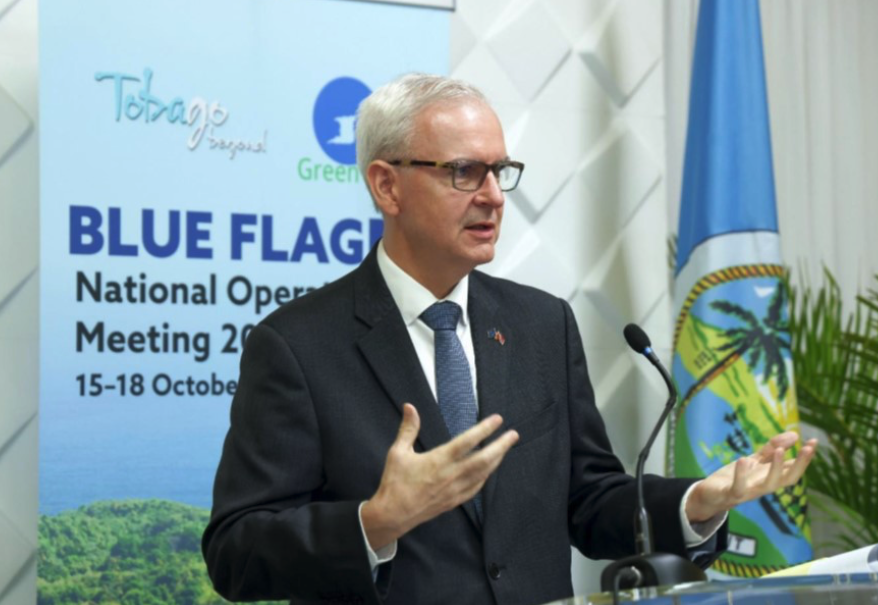
Also speaking at the welcome ceremony for the meeting, His Excellency Peter Cavendish, Ambassador of the EU Delegation to Trinidad and Tobago noted the commonality in objectives between Trinidad and Tobago and the European Union in driving sustainable tourism, and welcomed the opportunity to further discussions for a common strategy.

Photo Caption: His Excellency Peter Cavendish, Ambassador of the EU Delegation to Trinidad and Tobago during his address at the Welcome Dinner for the 2024 Blue Flag National Operators Meeting, hosted under the auspices of the Honourable Farley Chavez Augustine, Chief Secretary of the THA at the Shaw Park Cultural Complex on Tuesday 15th October, 2024.

Describing Trinidad and Tobago as a cornucopia of talent and genius, His Excellency also praised the selection of Tobago as the host for this year’s event, stating that “whoever chose Tobago for this meeting, it was a sort of an act of genius.” He added:

You’re standing in a country which has produced the only new percussion instrument in the last 50 years, where one third of the world’s trade passes outside of the windows, which has the world’s number one chocolate, which has the world’s number one cocoa genome, which has the world’s number one cocoa research centre, which has invented Soca, Sol and Calypso…More importantly as environmentalists…you’re standing in the shadow of the boundary main ridge reserve. The legislation enacted at the time by the British Parliament in 1776 is considered to be the first piece of environmental legislation of the modern era.”

Following the strategic meetings, delegates also had the opportunity to immerse themselves in the island’s rich local culture and natural beauty, experiencing some of the most memorable and authentic local attractions that take our visitors beyond the ordinary, including excursions to the historic Fort King George, the UNESCO-designated Main Ridge Forest Reserve, and the renowned Buccoo Reef with the Blue Flag certified Miss Ayana Glass-bottom Boat Tours.

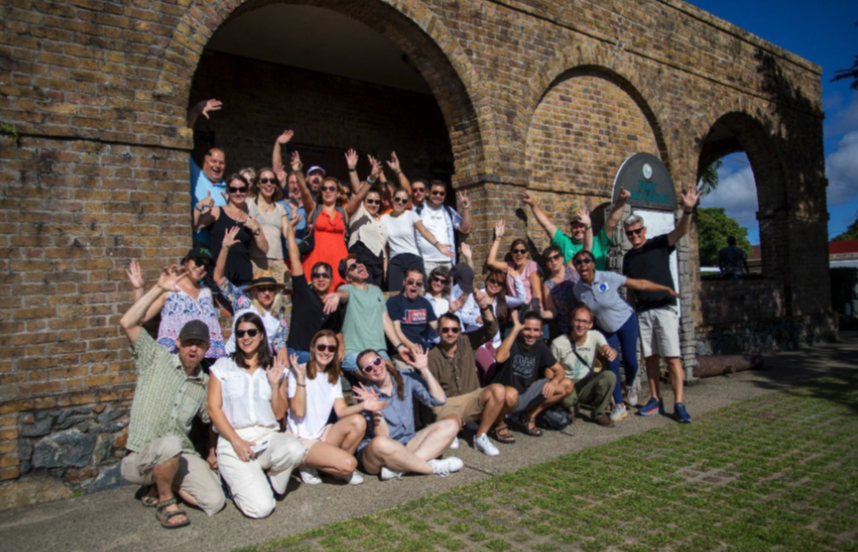
A group photo at Fort King George of the delegation attending the Blue Flag National Operators Meeting.

Through strategic partnerships and initiatives such as the Blue Flag programme, TTAL remains committed to strengthening the island’s brand of Tobago Beyond Ordinary by raising the island’s profile as a leader in sustainable tourism and eco-conscious travel in the Caribbean. Visit tobagobeyond.com and follow the TTAL on social media to learn more.

Highlights and Outcomes of the 2024 Blue Flag NOM:

  • Collaborative Sessions on Sustainability: Three key sessions tackled climate change, biodiversity, and pollution, fostering a collaborative space for policy development and knowledge sharing. Presentations included:
    • Secondary Schools: Presentations from the environmental clubs from Signal Hill Secondary School, Bishop`s High School and  Mason Hall Secondary School on their climate change, biodiversity and pollution mitigation initiatives.
    • Climate Action: The Caribbean Climate-Smart Accelerator outlined funding opportunities, while Trinidad and Tobago Meteorological Services highlighted projections on temperature rises and their effects on marine life.
    • Biodiversity Initiatives: Discussions on UNESCO’s Man and the Biosphere designation and turtle conservation by SPESEAS brought focus to ecosystem protection.
    • Pollution Solutions: The Department of the Environment presented solutions for waste management in Small Island Developing States (SIDS).
  • Blue Flag SIDS Strategic Meeting: Led by Green T&T, this session achieved a consensus among THA, private sector, and civil society leaders on advancing the Blue Flag programme in Tobago. Preliminary recommendations were developed to align with local policies, support SDGs, and strengthen the blue economy.
  • Semaphore Recycled Blue Flag Fashion Show: Held on October 17, this unique event showcased designs crafted from repurposed Blue Flags by students from seven local secondary schools. Themed “Paint de Town Blue,” the fashion show celebrated creativity in sustainable fashion while reinforcing the values of the blue economy and Tobago’s rich cultural heritage.

Green Key logo in colour NO text

Tobago properties achieve International Green Key Award

On April 29, 2021 the Green Key National Jury of Trinidad and Tobago unanimously awarded two (2) tourism accommodation properties the internationally recognised Green Key. Bananaquit and Shepherd’s Inn, both located in Crown Point Tobago, now hold the prestigious eco-label and can rightfully boast that their operations are committed to sustainable tourism practices. These two (2) properties are currently the only Green Key certified sites in the English-Speaking Caribbean.  Commenting on the achievement, Rachel Best, Manager of Bananaquit writes,

Bananaquit has always tried to operate in a way which has the least impact on the environment. Tobago is still an untouched, unspoiled beautiful island and we want to be a part of keeping it that way. That is what our guests and visitors keep coming back for. We are excited to be approved by Green Key and are eager to work together with Green T&T in forging a way ahead for a greener, cleaner and more sustainable Tobago.

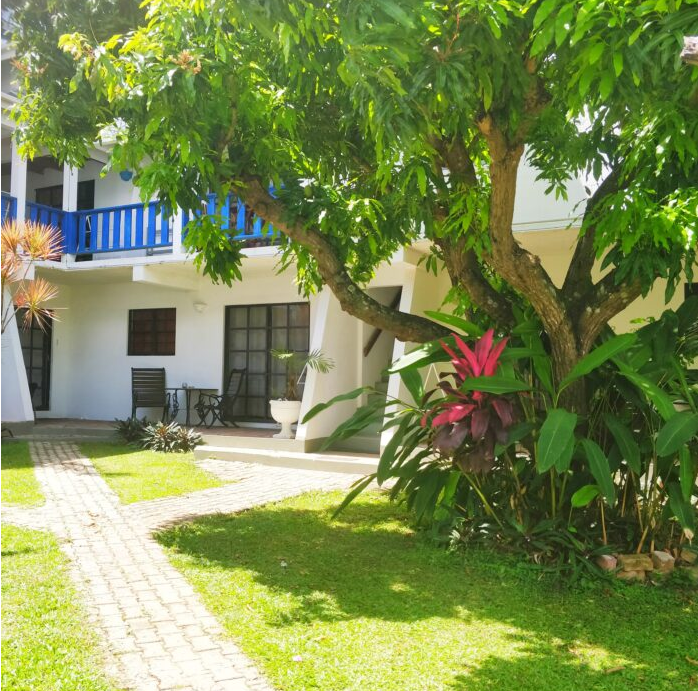
Garden view at Bananaquit

Green Key is an international voluntary eco-label awarded to tourism accommodations and other hospitality facilities that commit to sustainable business practices. Presently, there are more than 3,200 hotels and other establishments awarded in 65 countries. Awarded establishments adhere to strict criteria which are independently verified through regular on-site audits. These criteria address thirteen (13) aspects of the property’s operation ranging from resource consumption to education and stakeholder involvement. Green T&T, the National Operator for the Green Key Programme in Trinidad and Tobago, worked closely with both properties to ensure that each operator was able to meet and, in some cases, exceed each of the criteria set forward. Tenisha Brown-Williams, National Coordinator for the Green Key programme applauded the achievement and stated,

In spite of the challenges brought about by the Covid-19 pandemic to the local tourism sector, Bananaquit and Shepherd’s Inn have both demonstrated remarkable effort in assuring that their operations are environmentally sustainable. The achievement of the international Green Key award by these properties during this difficult period adds credence to the positioning of Tobago as an unspoilt, untouched Caribbean island that is committed to sustainable tourism development, not in word only, but in action. With the imminent restart of global travel, Tobago through the continued implementation of the Green Key programme will gain significant competitive advantage in the minds of the environmentally conscious traveller. Tobago is proving to the world that it is a small island with a big heart for sustainable tourism.” 

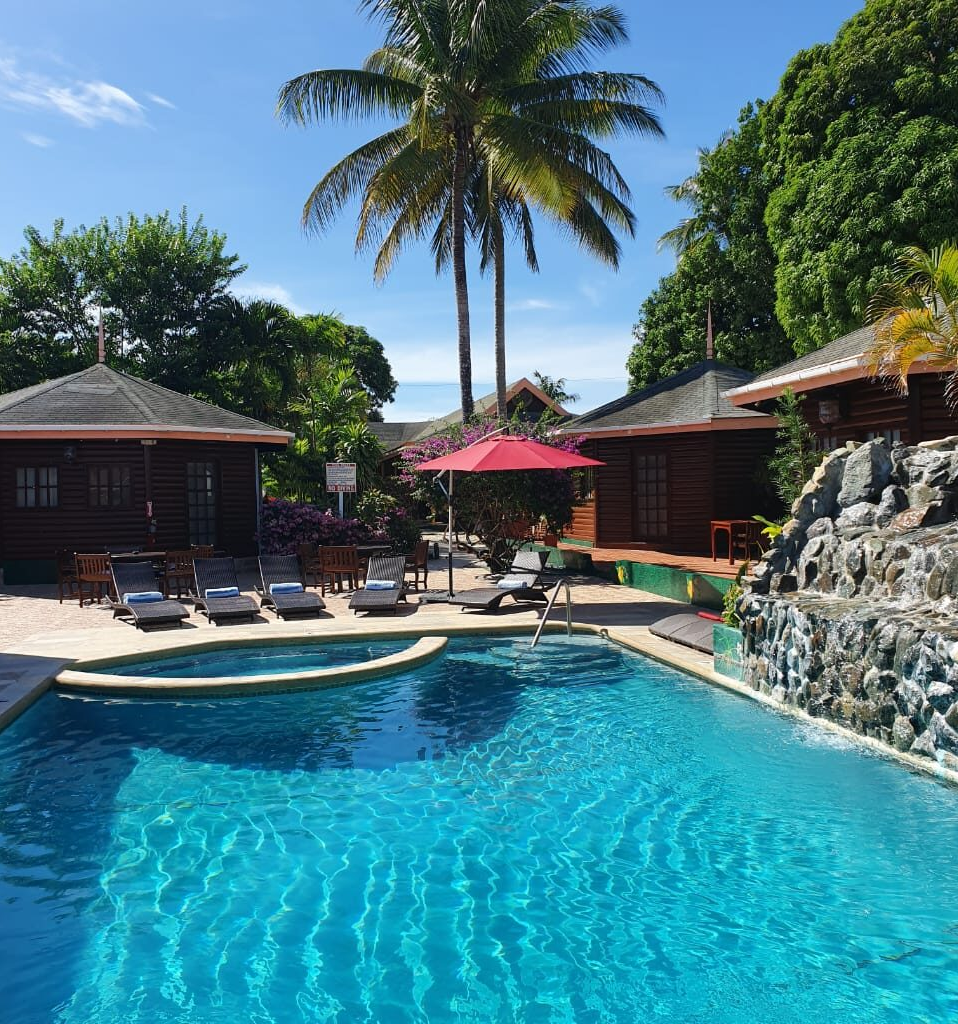
Poolside at Shepherd’s Inn

Green Key will play a pivotal role in the sustainability of the hotel. Mainly by protecting the environment, conserving water and energy. I am happy to be part of that development. It is an honour to be Green Key certified.

Colin Shepherd, Owner of Shepherd’s Inn

The Green Key programme is jointly executed in Tobago by Green T&T and the Tobago Tourism Agency Limited (TTAL). For TTAL, the Green Key programme is seamlessly aligned with its ‘Tobago Beyond Ordinary’ brand, and its “unspoilt, untouched, undiscovered” tagline. As an advocate for responsible and sustainable tourism initiatives, the Agency has been working on empowering local tourism stakeholders to project the core appeals of the island, and to raise the standard and quality of sustainable tourism products. To this end, TTAL continues to collaborate with local and international NGO’s such as Green T&T to direct change and development within the industry, while enhancing the sustainability of destination Tobago.

With two accommodation establishments attaining Green Key accreditation, it signals incipient signs of a synergy between the private sector and the policy intent to position Tobago as an authentic, sustainable tourism destination post COVID-19. One of the most important facets of this programme is that it raises awareness and creates behavioural changes in guests, staff, and suppliers of individual tourism establishments which has a ripple effect throughout the tourism sector. We endorse this initiative and want to encourage all accommodation providers on the island to consider engaging in this programme, not only for its competitive advantage and positioning, but because it is the right thing to do for the environment.

Louie Lewis, CEO of TTAL

The Green Key programme is owned and managed by the Foundation for Environmental Education (FEE) located in Denmark with affiliations and endorsements by the United Nations World Tourism Organization (UNWTO), The United Nations Environment Programme (UNEP) and the Global Sustainable Tourism Council (GSTC). 

One of the foundational principles of FEE and the Green Key programme is the use of local stakeholders in key decision-making processes. As such, the decision to award an establishment the Green Key certification is made by a National Green Key Jury. In Trinidad and Tobago, the Jury comprises of representatives from the Ministry of Tourism, Division of Tourism, Culture and Transportation- Tobago House of Assembly, Trinidad and Tobago Bureau of Standards, Department of Environment- Tobago House of the Assembly, Environmental Management Authority, Tobago Hotel and Tourism Association, Tobago Hospitality & Tourism Institute, Tobago Hospitality & Tour Operators Association, Council of Presidents of The Environment (COPE) and Tobago Tourism Agency Ltd.

Picture1

Useful Tips to enjoy the beach during COVID

Useful Tips to enjoy the beach during COVID

As much as the COVID-10 Pandemic has affected outdoor recreational activities, there have been steps taken by Blue Flag National Operators and Beach Managers around the world to reduce the spread of the deadly virus. If you are able to select a Blue Flag awarded site, the suggestions below are probably implemented already.

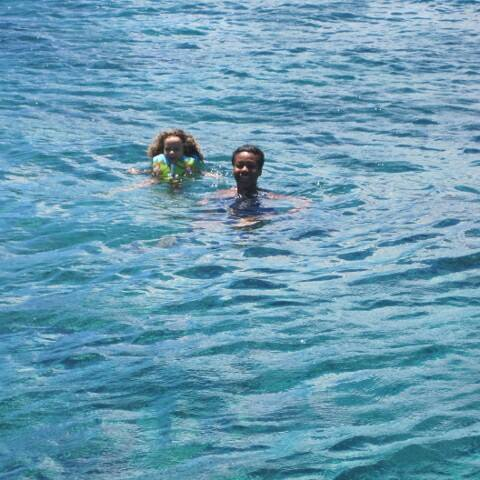
Swim and Go- There is no evidence that SARS-CoV-2, the virus that causes COVID-19, can spread to people through water in these places. So take a swim, enjoy the water and leave.

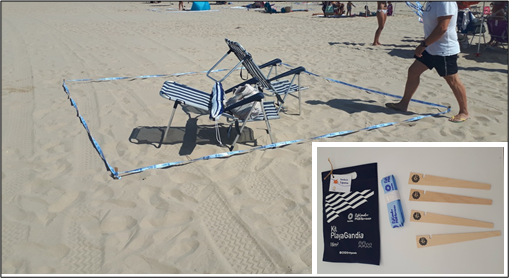
Social Distance while at the beach. If you cannot swim and go, then practice safe distancing using a barricade. While there might be enough space at the beach, sometimes the boundaries between users can get blurred. Keep your distance by creating your own cordoned area. This was presented by the Blue Flag National Operators of Spain in the form of a safe beach kit, initiated by the Department of Tourism of the Gandia City Council, Spain aimed at making it easier to maintain safety distance on the beach. The KIT PLAYA DE GANDIA (Gandia Beach Kit) consists of four wooden pegs and four strips that can build a plot of 16 square meters.

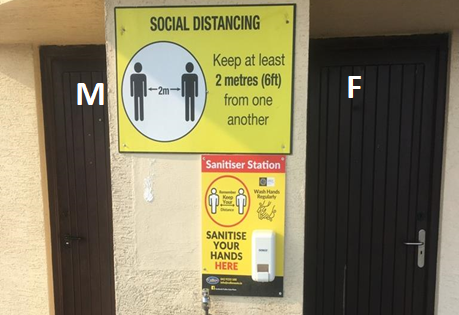
Social distance for safer queuing to the bathroom- if you really need to go be sure to keep your distance on your way to the toilet. Ensure 2.5m (6 feet) width between persons at all times.

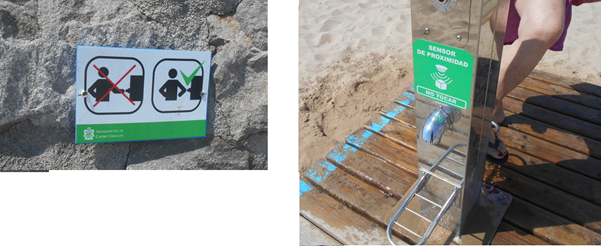
Use hands-free devices. The installation of hands-free sanitization equipment eliminate common touch points and the spread of bacteria in high risk areas. There are elbow-operated dispensers and foot-operated foot wash instead of using your hands. Special thanks to Blue Flag Ireland and Spain for sharing their COVID-19 best practices, I hope these initiatives will help to keep you and your loved ones safe.

075_green_134

Show me your blue flag

Only three Caribbean countries so far have beaches certified by Blue Flag, an international programme for assessing the health of coastal waters. Nazma Muller investigates why this matters to sea-bathers and the tourism sector alike.

It’s the last thing you want to think about while enjoying a dip in the sea, but if terms like “stormwater runoff” and “combined sewer overflow” mean anything to you, then you know what they can do to beaches, and the health of swimmers. It’s been estimated that thousands of “CSO events” across North America discharge millions of gallons of raw sewage and stormwater annually into the sea — along with tonnes of plastic and rubbish. It’s enough to make you resolve to stay on dry land.

Thankfully, the international Blue Flag programme flies in the face of this growing tide of marine pollution. Like a Michelin star for beaches and marinas, the Blue Flag is a symbol recognised by the discerning traveller who wants to be assured of a certain standard — and like a Michelin star, it’s also French. The concept was born in 1985, when the French government awarded the certification to coastal municipalities which complied with regulations for sewage treatment and water quality.

Two years later, to mark the European Year of the Environment, the Foundation for Environmental Education in Europe presented the French-born idea of the Blue Flag to the European Commission, with criteria added for waste management and coastal planning and protection. In 2001, the renamed Foundation for Environmental Education, based in Denmark, made the Blue Flag programme global. Today, more than four thousand beaches and marinas in countries across Europe as well as South Africa, Tunisia, New Zealand, Brazil, Canada, and the Caribbean proudly fly the Blue Flag as a mark of safe and healthy waters.

A growing army of eco-conscious travellers has prompted operators of beaches and marinas to step up their game and “go green” — or rather, in this case, go blue. This means meeting thirty-three strict criteria covering water quality, environmental management, environmental information and education, and safety and services. The water must be tested regularly for contaminants, and the operator must also ensure that beaches and marinas have adequate waste-disposal facilities, properly maintained buildings and equipment, clean washrooms, information on local ecosystems and environmental phenomena, public safety measures, and even access for the physically disabled.

Blue Flags are given for only one season at a time. If the criteria are not fulfilled during the season or the conditions change, the Blue Flag may be withdrawn. The International Blue Flag Jury is composed of representatives from organisations like the United Nations Environment Programme, the United Nations World Tourism Organisation, the International Lifesaving Federation, and the International Union for Conservation of Nature — all heavy hitters.

In the Caribbean, Blue Flags have been awarded in only four countries: the Dominican Republic (eleven), Sint Maarten (two), the Bahamas (four), and most recently, Trinidad and Tobago. Las Cuevas, a sheltered bay on Trinidad’s north coast that is once again becoming a nesting ground for marine turtles, received the country’s first Blue Flag in 2014. The initiative was first considered by the beach operator, the state-owned Tourism Development Corporation (TDC), in a bid to capitalise on the island’s eco-tourism potential by setting environmental standards for the beaches that the TDC operates.

“Trinidad and Tobago has done a lot of work since they started working on the implementation of the Blue Flag programme,” says Sophie Bachet Granados, Blue Flag International Director. “Las Cuevas beach is the first fully compliant site in Trinidad, and, I am sure, an example for all future sites in Trinidad and Tobago. We are looking forward to seeing the programme develop in the country, as I know new sites are already working to reach full compliance for their next jury in September 2015.”

Asclepius Green, an independent NGO, was selected to be the national coordinator of the Blue Flag programme based on its background in eco-tourism, eco-resort site development, marine biology, and environmental systems. Joanna Moses-Wothke, who leads the NGO, explained that water testing is by far the most difficult and expensive factor in qualifying for the Blue Flag. “One hindrance to meeting the criteria is the cost of water quality testing,” she says. “In some countries the government pays for the tests to be done. So that is something we would like to push for — water quality testing around the country.”

The public too plays a major role in ensuring that standards are maintained at a Blue Flag beach, Moses-Wothke said. She urges beachgoers to contact her (via Facebook or email, preferably with photos) if they see any breaches of the Blue Flag standards. Complaints are sent to the national jury, which is made up of NGOs and government bodies, and depending on the severity of the issue of non-compliance, the national operator has a week to resolve the problem, or the flag must be taken down. “We also do control visits — some unexpected — at least once a month,” Moses-Wothke added, “and the national jury does site visits as well.”

Asclepius Green also conducts gap analyses of other beaches in Trinidad and Tobago. At present, three beach operators would like to apply for additional Blue Flags: Bacolet Bay Hotel in Tobago, the Chaguaramas Development Authority (beach operator for the north-west coast of Trinidad), and the TDC for the world-famous Maracas Beach.

When the Blue Flag was raised at the Las Cuevas Beach Facility in January 2015, TDC chairman Umesh Rampersad said it would send a strong message to the world that Trinidad and Tobago is serious about conservation. With Cuba opening up to the United States travel market, the menu of Caribbean beaches now available to American tourists has just doubled. “Being able to tout that your beach has an independently and internationally recognised certification is one way to communicate to the world market that a certain quality of experience can be expected,” said Rampersad. And it should help ordinary beachgoers to better enjoy their swim, safe in the knowledge that the beautiful waters of Las Cuevas Bay are also clean and healthy.

CARIBBEAN-BEAT.COM

las-cuevas-beach

Trinidad’s Las Cuevas Beach Gets Third Blue Flag Certification

PORT OF SPAIN, Trinidad, Tuesday October 4, 2016 –For the third consecutive year, Trinidad and Tobago’s Las Cuevas Beach Facility has been recognized with Blue Flag Certification by the Blue Flag International Jury.

The certification is awarded to beach and marina facilities that meet a strict criteria of water quality, environmental management, the provision of environmental education and information and the provision of safety and security services.

Blue Flag is an internationally-recognized, voluntary environmental award presented to organizations and facilities that reach the appropriate level of environmental management and education in respect of their beaches and marinas.

In Trinidad and Tobago, the Blue Flag programme is coordinated by Asclepius Green, a local non-governmental organization (NGO), and the Tourism Development Company Limited (TDC) in an effort to ensure sustainable development of the sector and the proper management of human impacts on the environment, while ensuring high levels of visitor satisfaction.

At Blue Flag beaches like Las Cuevas, there are dedicated management committees set up to conduct environmental audits of the site and its facilities.

The committee is also responsible for ensuring that nearby habitats, such as nesting leatherbacks in Las Cuevas, are protected and managed sustainably. In addition, there is a 12-member National Jury comprised of representatives of various organizations throughout Trinidad and Tobago.

The Tourism Development Company says it will continue to work with Asclepius Green and the Blue Flag Jury to ensure the beach maintains its acquired status and continues to work on the establishment of other Blue Flag beaches within the twin-island nation.

CARIBBEAN360.COM

coconut-drink-in-the-resort-4B7VJPJ

Strengthening the Tobago Tourism Sector through Green Key

On the 28th and 30th July 2020, the Tobago Tourism Agency Ltd. (TTAL) in partnership with Green T&T officially launched the Tobago Green Key programme through the virtual engagement of approximately forty (40) owners and managers of small and large tourism accommodation facilities in Tobago.  

The Green Key award is a leading standard of excellence in the field of environmental responsibility and sustainable operation within the tourism industry. There are over 3200 Green Key sites globally with a heavy concentration of these sites within Tobago’s key source market of the United Kingdom and Europe. The decision taken by the TTAL to encourage local tourism establishments in Tobago to be Green Key certified is a strategic one given the global demand for an eco-friendlier tourism and signals strong commitment and action to raising the standard of quality at the destination and the overall international appeal of destination Tobago. Narendra Ramgulam, Director Tourism Product Development & Destination Management at the TTAL states “Green Key is critically important to ensure that we develop and encourage low carbon footprint products for our destination. This not only gives us an attractive appeal in the eyes of our eco-seeking global customers especially from the UK and Germany, but it raises the standard and quality of sustainable products on the island of Tobago and enhances development that are in sync with our image and brand. Both the Green Key and Blue Flag Certification – an ecolabel for beaches and marinas, will give us an edge and competitive advantage over our competitors. Our stakeholders have shown an interest in engaging in the Green Key programme, not only for its competitive advantage but because they believe that it is the right thing to do from an environmental perspective and this augers well for the future of the industry here.”   

This prestigious eco-label represents a commitment from tourism business owners that their establishments adhere to the strict international criteria as stipulated by the Foundation for Environmental Education (FEE). A guest opting to stay at a Green Key awarded property is one of the greatest ways a guest can make a difference on an environmental and sustainability level. Green T&T, a local environmental non-governmental organization acts as the national operator on behalf of FEE in Trinidad and Tobago (T&T) for the coordination of both the Green Key and Blue Flag programmes. Green T&T is dedicated to increasing environmental awareness and improving environmental consciousness through education and environmental certification in T&T. Tenisha Brown-Williams, Green Key Coordinator at Green T&T believes in this COVID-19 period, those destinations that commit and follow through with solid environmental practices will gain competitive advantages since travellers are now more conscious of how safety, sanitation and environmental practices will aid in preserving their well-being. The Green Key certification, she states, can boost Tobago’s visibility and appeal on the international market to the ‘green traveller’ who will visit Tobago’s pristine and unique environment and act responsibly.

The Green Key programme is currently open to the following categories within the hospitality and tourism sector: Hotel & Hostel and Small Accommodation and will later include Attractions, Restaurants and Conference Centers in Tobago. For further information in attaining the prestigious Green Key award, please visit https://green-tt.org/green-key/ or https://www.visittobago.gov.tt/corporate/trade-resources/green-key or contact the TTAL at +868 612 8825 ext. 2005 or email: kcowie@tobagotourism.org or email the National Green Key Coordinator at greenkey@green-tt.org