Shark

When the Bake and Shark Bites Back!

By Sandy Sawh


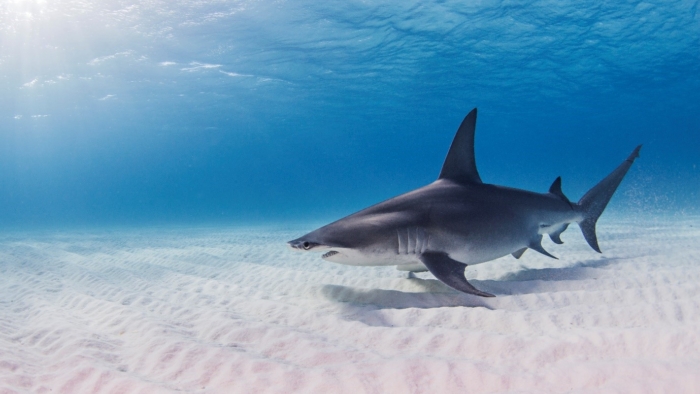
The next time you are thinking of buying the popular Bake and Shark sandwich consider this…chemical pollutants, just like plastics, are pervading our food chain and toxicity levels are highest in large oceanic predatory fish such as sharks, groupers and barracudas.   


“Chemicals are substances or compounds that have been purified or manufactured by humans, it does not include elements that are part of the normal life processes of plants and animals1.”

There are three main pollutant categories that contribute to chemical toxicity: toxic metals from industrial estates and waste dumps, persistent organic pollutants (POPs) mainly from the agricultural sector and lastly, accidental oil spills. Commercial and recreational shipping activities are also considered significant contributing factors. Unfortunately, in Trinidad and Tobago preliminary studies indicate that there is a specific risk of sharks being contaminated with mercury from gold mining activities in South America. While difficult to quantify these are just some of the dangers seeping into our aquatic environment and at most times hidden or unseen.

These pollutants can go undetected for a considerable length of time, the seafood we consume tells a different story. Largely due to bioaccumulation and biomagnification, the shark you eat can be heavily contaminated with a variety of toxins. Bioaccumulation and biomagnification, are two different processes that often occur in tandem with one another. Bioaccumulation is the process by which toxins buildup in individual organisms increase as they age or by consuming multiple contaminated food sources, while biomagnification is the process by which toxins are passed from one trophic level to the next increasing at each level in the food web2.

Researchers from the Shark Research & Conservation Program at the University of Miami indicated that these processes “will result in the top predator containing the highest concentration levels”3 of toxins. Sharks are particularly susceptible to contamination uptake and bioaccumulation due to their long- life spans, high position in a food web and large, lipid-rich livers4. Over time, the frequent consumption of shark may negatively impact your health. Dementia, increased risk of cancer, and infertility are just some of the effects associated with the consumption of these toxins.5

There are several steps you can take to reduce your risk, the easiest and most obvious would be to simply stop eating sharks and other globally endangered species. Now at this point you are probably wondering, what should I eat? Thankfully, there are a variety of sustainable seafood guides that could help you decide, take a look at:

  1. The Environmental Defense Fund, they allow you to search their database and evaluate each type of seafood against its eco-rating (sustainably caught or farmed) and its mercury level. It also provides a concise list of best and worst choices. 
  2. For a more Caribbean specific list of sustainable choices, Nazma Muller at the Caribbean Beat provided this handy guide along with a variety of justifications for not consuming sharks.

We hope that the next time you take a trip to the North Coast and approach your favourite bake and shark vendor you will make sustainable and safe choices for you, your family and for our environment.


1http://www.oceanhealthindex.org/methodology/components/chemical-pollution

2https://cimioutdoored.org/bioaccumulation-and-biomagnification-increasingly-concentrated-problems/

3https://sharkresearch.rsmas.miami.edu/bioaccumulation-biomagnification-when-bigger-isnt-better/

4Mull, C.G., Blasius, M.E., O’Sullivan, J.B., Lowe, C.G. 2012. Heavy metals, trace elements, and organochlorine contaminants in muscle and liver tissue of juvenile white sharks, Carcharodon carcharias, from the Southern California Bight. In Global perspectives on the biology and life history of the white shark (pp. 59-75). Domeier, M.L. Boca Raton, FL: CRC Press.

5https://www.ncbi.nlm.nih.gov/pmc/articles/PMC7731724/#:~:text=Human%20Health%20Findings%3A&text=Manufactured%20chemicals%20%E2%80%93%20phthalates%2C%20bisphenol%20A,and%20increase%20risk%20of%20cancer.  

Green Key logo in colour NO text

Tobago properties achieve International Green Key Award

On April 29, 2021 the Green Key National Jury of Trinidad and Tobago unanimously awarded two (2) tourism accommodation properties the internationally recognised Green Key. Bananaquit and Shepherd’s Inn, both located in Crown Point Tobago, now hold the prestigious eco-label and can rightfully boast that their operations are committed to sustainable tourism practices. These two (2) properties are currently the only Green Key certified sites in the English-Speaking Caribbean.  Commenting on the achievement, Rachel Best, Manager of Bananaquit writes,

Bananaquit has always tried to operate in a way which has the least impact on the environment. Tobago is still an untouched, unspoiled beautiful island and we want to be a part of keeping it that way. That is what our guests and visitors keep coming back for. We are excited to be approved by Green Key and are eager to work together with Green T&T in forging a way ahead for a greener, cleaner and more sustainable Tobago.

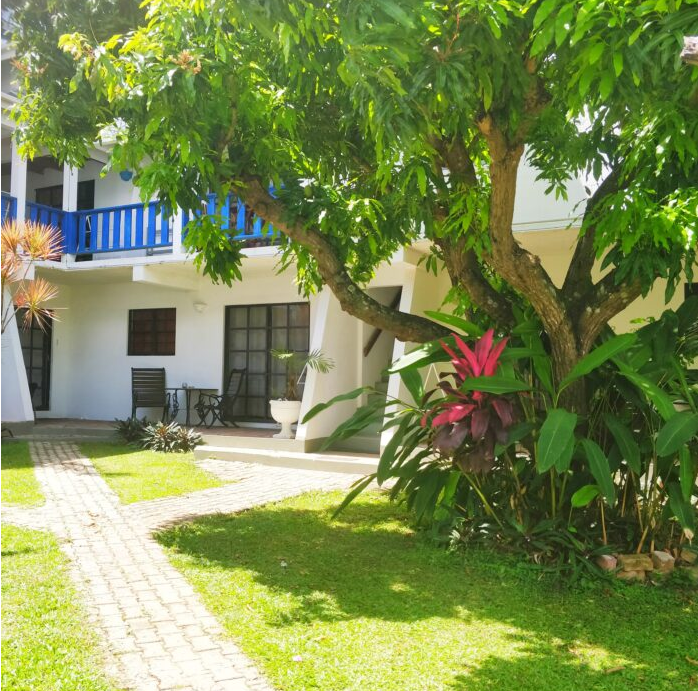
Garden view at Bananaquit

Green Key is an international voluntary eco-label awarded to tourism accommodations and other hospitality facilities that commit to sustainable business practices. Presently, there are more than 3,200 hotels and other establishments awarded in 65 countries. Awarded establishments adhere to strict criteria which are independently verified through regular on-site audits. These criteria address thirteen (13) aspects of the property’s operation ranging from resource consumption to education and stakeholder involvement. Green T&T, the National Operator for the Green Key Programme in Trinidad and Tobago, worked closely with both properties to ensure that each operator was able to meet and, in some cases, exceed each of the criteria set forward. Tenisha Brown-Williams, National Coordinator for the Green Key programme applauded the achievement and stated,

In spite of the challenges brought about by the Covid-19 pandemic to the local tourism sector, Bananaquit and Shepherd’s Inn have both demonstrated remarkable effort in assuring that their operations are environmentally sustainable. The achievement of the international Green Key award by these properties during this difficult period adds credence to the positioning of Tobago as an unspoilt, untouched Caribbean island that is committed to sustainable tourism development, not in word only, but in action. With the imminent restart of global travel, Tobago through the continued implementation of the Green Key programme will gain significant competitive advantage in the minds of the environmentally conscious traveller. Tobago is proving to the world that it is a small island with a big heart for sustainable tourism.” 

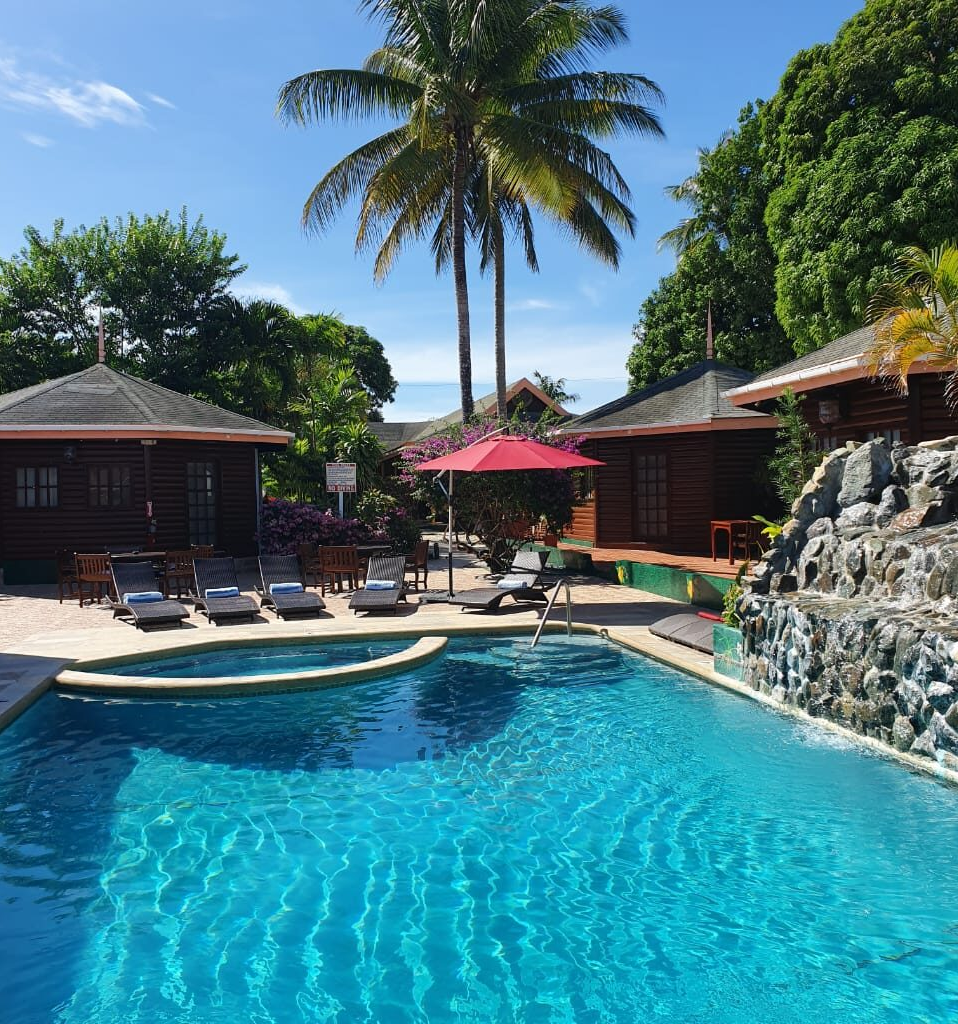
Poolside at Shepherd’s Inn

Green Key will play a pivotal role in the sustainability of the hotel. Mainly by protecting the environment, conserving water and energy. I am happy to be part of that development. It is an honour to be Green Key certified.

Colin Shepherd, Owner of Shepherd’s Inn

The Green Key programme is jointly executed in Tobago by Green T&T and the Tobago Tourism Agency Limited (TTAL). For TTAL, the Green Key programme is seamlessly aligned with its ‘Tobago Beyond Ordinary’ brand, and its “unspoilt, untouched, undiscovered” tagline. As an advocate for responsible and sustainable tourism initiatives, the Agency has been working on empowering local tourism stakeholders to project the core appeals of the island, and to raise the standard and quality of sustainable tourism products. To this end, TTAL continues to collaborate with local and international NGO’s such as Green T&T to direct change and development within the industry, while enhancing the sustainability of destination Tobago.

With two accommodation establishments attaining Green Key accreditation, it signals incipient signs of a synergy between the private sector and the policy intent to position Tobago as an authentic, sustainable tourism destination post COVID-19. One of the most important facets of this programme is that it raises awareness and creates behavioural changes in guests, staff, and suppliers of individual tourism establishments which has a ripple effect throughout the tourism sector. We endorse this initiative and want to encourage all accommodation providers on the island to consider engaging in this programme, not only for its competitive advantage and positioning, but because it is the right thing to do for the environment.

Louie Lewis, CEO of TTAL

The Green Key programme is owned and managed by the Foundation for Environmental Education (FEE) located in Denmark with affiliations and endorsements by the United Nations World Tourism Organization (UNWTO), The United Nations Environment Programme (UNEP) and the Global Sustainable Tourism Council (GSTC). 

One of the foundational principles of FEE and the Green Key programme is the use of local stakeholders in key decision-making processes. As such, the decision to award an establishment the Green Key certification is made by a National Green Key Jury. In Trinidad and Tobago, the Jury comprises of representatives from the Ministry of Tourism, Division of Tourism, Culture and Transportation- Tobago House of Assembly, Trinidad and Tobago Bureau of Standards, Department of Environment- Tobago House of the Assembly, Environmental Management Authority, Tobago Hotel and Tourism Association, Tobago Hospitality & Tourism Institute, Tobago Hospitality & Tour Operators Association, Council of Presidents of The Environment (COPE) and Tobago Tourism Agency Ltd.

Plastic

WHAT’S IN OUR WATER?

By Sandy Sawh


Take a short stroll on a beach or along a river- bed and you will easily find plastic bottles, wrappers, and bags. However, plastic is just one type of pollutant. Our oceans are a liberal dumping ground for garbage, sewage, and chemicals and it has become alarmingly clear that pollutants directly impact our health.

PLASTIC POLLUTION

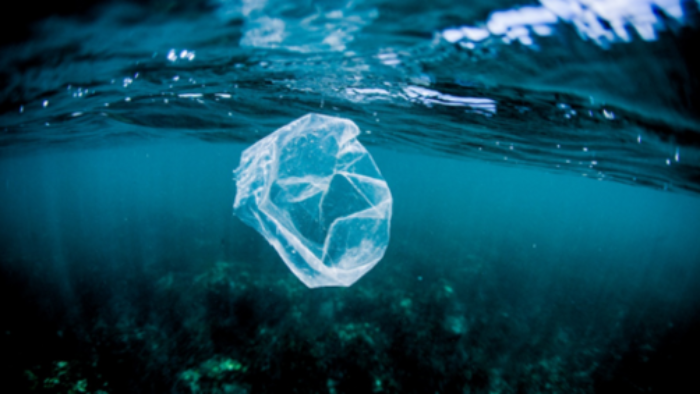
Numerous studies highlight the impact of plastic on the marine environment. One dizzying estimation is the projection that there would be more plastic than fish by the year 2050. Over one hundred and fourteen species have been found to contain microplastics, half of these we consume. This means that toxins are entering our food chain in ever increasing numbers.

BLUE FLAG vs PLASTIC  

How can Blue Flag help? While dire, the impact of plastic pollution can be changed, restricted and hopefully one day completely reversed. Countries can implement and enforce laws, create policies, and impose new controls to deter pollutants from entering the ocean. While commendable it is a lengthy process involving a myriad of stakeholders.

Blue Flag certification reduces this timeline by immediately addressing some of the key concerns of plastic pollution. As part of its environmental management plan, it enables and instructs the operator and user to actively recycle plastic waste. It encourages a complete ban of single use plastics on its site and continuously monitors the degree of pollution at key source points.

As we all may know human activity is the primary cause of plastic pollution meaning that human action can prevent it. The Blue Flag standard assures the beach user that their actions can have a positive impact on the environment. 

What can you do to safeguard our fragile ecosystem?

  • You can place your recyclables in the right bin.
  • Do not use single use plastics instead opt to bring your own or ensure that all disposables are made from compostable material.

 And remember, you are safer at the Blue Flag Beach!

References:

Howard, J. 2019 Marine pollution, explained. A wide range of pollution—from plastic pollution to light pollution—affects marine ecosystems. https://www.nationalgeographic.com/environment/article/critical-issues-marine-pollution

Reddy, R. 2018. Plastic Pollution Affects Sea Life Throughout the Ocean. Photo document extent of the impact, which extends to the seafood people eat.

https://www.pewtrusts.org/en/research-and-analysis/articles/2018/09/24/plastic-pollution-affects-sea-life-throughout-the-ocean

Huzar, T. 2020. Is there a link between ocean pollution and damage to human health?

https://www.medicalnewstoday.com/articles/is-there-a-link-between-ocean-pollution-and-damage-to-human-health

Picture1

Useful Tips to enjoy the beach during COVID

Useful Tips to enjoy the beach during COVID

As much as the COVID-10 Pandemic has affected outdoor recreational activities, there have been steps taken by Blue Flag National Operators and Beach Managers around the world to reduce the spread of the deadly virus. If you are able to select a Blue Flag awarded site, the suggestions below are probably implemented already.

Swim and Go- There is no evidence that SARS-CoV-2, the virus that causes COVID-19, can spread to people through water in these places. So take a swim, enjoy the water and leave.

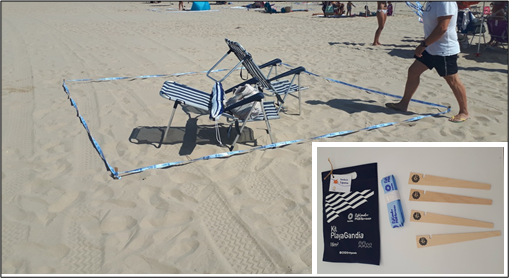
Social Distance while at the beach. If you cannot swim and go, then practice safe distancing using a barricade. While there might be enough space at the beach, sometimes the boundaries between users can get blurred. Keep your distance by creating your own cordoned area. This was presented by the Blue Flag National Operators of Spain in the form of a safe beach kit, initiated by the Department of Tourism of the Gandia City Council, Spain aimed at making it easier to maintain safety distance on the beach. The KIT PLAYA DE GANDIA (Gandia Beach Kit) consists of four wooden pegs and four strips that can build a plot of 16 square meters.

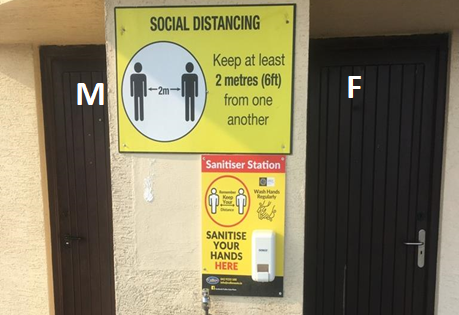
Social distance for safer queuing to the bathroom- if you really need to go be sure to keep your distance on your way to the toilet. Ensure 2.5m (6 feet) width between persons at all times.

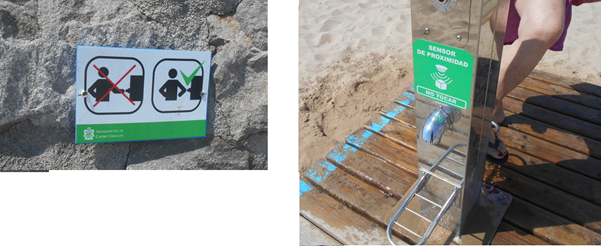
Use hands-free devices. The installation of hands-free sanitization equipment eliminate common touch points and the spread of bacteria in high risk areas. There are elbow-operated dispensers and foot-operated foot wash instead of using your hands. Special thanks to Blue Flag Ireland and Spain for sharing their COVID-19 best practices, I hope these initiatives will help to keep you and your loved ones safe.

075_green_134

Show me your blue flag

Only three Caribbean countries so far have beaches certified by Blue Flag, an international programme for assessing the health of coastal waters. Nazma Muller investigates why this matters to sea-bathers and the tourism sector alike.

It’s the last thing you want to think about while enjoying a dip in the sea, but if terms like “stormwater runoff” and “combined sewer overflow” mean anything to you, then you know what they can do to beaches, and the health of swimmers. It’s been estimated that thousands of “CSO events” across North America discharge millions of gallons of raw sewage and stormwater annually into the sea — along with tonnes of plastic and rubbish. It’s enough to make you resolve to stay on dry land.

Thankfully, the international Blue Flag programme flies in the face of this growing tide of marine pollution. Like a Michelin star for beaches and marinas, the Blue Flag is a symbol recognised by the discerning traveller who wants to be assured of a certain standard — and like a Michelin star, it’s also French. The concept was born in 1985, when the French government awarded the certification to coastal municipalities which complied with regulations for sewage treatment and water quality.

Two years later, to mark the European Year of the Environment, the Foundation for Environmental Education in Europe presented the French-born idea of the Blue Flag to the European Commission, with criteria added for waste management and coastal planning and protection. In 2001, the renamed Foundation for Environmental Education, based in Denmark, made the Blue Flag programme global. Today, more than four thousand beaches and marinas in countries across Europe as well as South Africa, Tunisia, New Zealand, Brazil, Canada, and the Caribbean proudly fly the Blue Flag as a mark of safe and healthy waters.

A growing army of eco-conscious travellers has prompted operators of beaches and marinas to step up their game and “go green” — or rather, in this case, go blue. This means meeting thirty-three strict criteria covering water quality, environmental management, environmental information and education, and safety and services. The water must be tested regularly for contaminants, and the operator must also ensure that beaches and marinas have adequate waste-disposal facilities, properly maintained buildings and equipment, clean washrooms, information on local ecosystems and environmental phenomena, public safety measures, and even access for the physically disabled.

Blue Flags are given for only one season at a time. If the criteria are not fulfilled during the season or the conditions change, the Blue Flag may be withdrawn. The International Blue Flag Jury is composed of representatives from organisations like the United Nations Environment Programme, the United Nations World Tourism Organisation, the International Lifesaving Federation, and the International Union for Conservation of Nature — all heavy hitters.

In the Caribbean, Blue Flags have been awarded in only four countries: the Dominican Republic (eleven), Sint Maarten (two), the Bahamas (four), and most recently, Trinidad and Tobago. Las Cuevas, a sheltered bay on Trinidad’s north coast that is once again becoming a nesting ground for marine turtles, received the country’s first Blue Flag in 2014. The initiative was first considered by the beach operator, the state-owned Tourism Development Corporation (TDC), in a bid to capitalise on the island’s eco-tourism potential by setting environmental standards for the beaches that the TDC operates.

“Trinidad and Tobago has done a lot of work since they started working on the implementation of the Blue Flag programme,” says Sophie Bachet Granados, Blue Flag International Director. “Las Cuevas beach is the first fully compliant site in Trinidad, and, I am sure, an example for all future sites in Trinidad and Tobago. We are looking forward to seeing the programme develop in the country, as I know new sites are already working to reach full compliance for their next jury in September 2015.”

Asclepius Green, an independent NGO, was selected to be the national coordinator of the Blue Flag programme based on its background in eco-tourism, eco-resort site development, marine biology, and environmental systems. Joanna Moses-Wothke, who leads the NGO, explained that water testing is by far the most difficult and expensive factor in qualifying for the Blue Flag. “One hindrance to meeting the criteria is the cost of water quality testing,” she says. “In some countries the government pays for the tests to be done. So that is something we would like to push for — water quality testing around the country.”

The public too plays a major role in ensuring that standards are maintained at a Blue Flag beach, Moses-Wothke said. She urges beachgoers to contact her (via Facebook or email, preferably with photos) if they see any breaches of the Blue Flag standards. Complaints are sent to the national jury, which is made up of NGOs and government bodies, and depending on the severity of the issue of non-compliance, the national operator has a week to resolve the problem, or the flag must be taken down. “We also do control visits — some unexpected — at least once a month,” Moses-Wothke added, “and the national jury does site visits as well.”

Asclepius Green also conducts gap analyses of other beaches in Trinidad and Tobago. At present, three beach operators would like to apply for additional Blue Flags: Bacolet Bay Hotel in Tobago, the Chaguaramas Development Authority (beach operator for the north-west coast of Trinidad), and the TDC for the world-famous Maracas Beach.

When the Blue Flag was raised at the Las Cuevas Beach Facility in January 2015, TDC chairman Umesh Rampersad said it would send a strong message to the world that Trinidad and Tobago is serious about conservation. With Cuba opening up to the United States travel market, the menu of Caribbean beaches now available to American tourists has just doubled. “Being able to tout that your beach has an independently and internationally recognised certification is one way to communicate to the world market that a certain quality of experience can be expected,” said Rampersad. And it should help ordinary beachgoers to better enjoy their swim, safe in the knowledge that the beautiful waters of Las Cuevas Bay are also clean and healthy.

CARIBBEAN-BEAT.COM

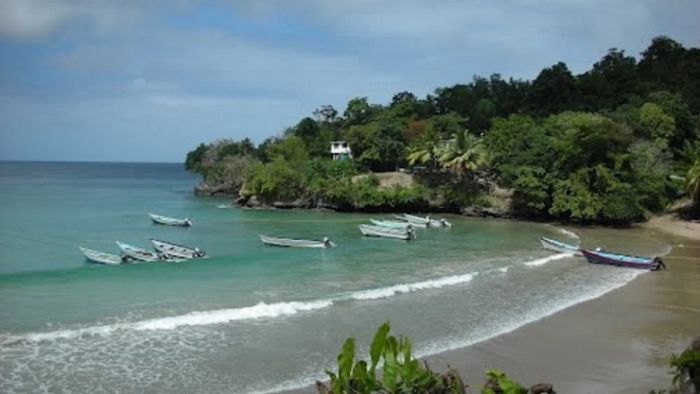
las-cuevas-beach

Trinidad’s Las Cuevas Beach Gets Third Blue Flag Certification

PORT OF SPAIN, Trinidad, Tuesday October 4, 2016 –For the third consecutive year, Trinidad and Tobago’s Las Cuevas Beach Facility has been recognized with Blue Flag Certification by the Blue Flag International Jury.

The certification is awarded to beach and marina facilities that meet a strict criteria of water quality, environmental management, the provision of environmental education and information and the provision of safety and security services.

Blue Flag is an internationally-recognized, voluntary environmental award presented to organizations and facilities that reach the appropriate level of environmental management and education in respect of their beaches and marinas.

In Trinidad and Tobago, the Blue Flag programme is coordinated by Asclepius Green, a local non-governmental organization (NGO), and the Tourism Development Company Limited (TDC) in an effort to ensure sustainable development of the sector and the proper management of human impacts on the environment, while ensuring high levels of visitor satisfaction.

At Blue Flag beaches like Las Cuevas, there are dedicated management committees set up to conduct environmental audits of the site and its facilities.

The committee is also responsible for ensuring that nearby habitats, such as nesting leatherbacks in Las Cuevas, are protected and managed sustainably. In addition, there is a 12-member National Jury comprised of representatives of various organizations throughout Trinidad and Tobago.

The Tourism Development Company says it will continue to work with Asclepius Green and the Blue Flag Jury to ensure the beach maintains its acquired status and continues to work on the establishment of other Blue Flag beaches within the twin-island nation.

CARIBBEAN360.COM

Blueflag-Blog-1

International Blue Flag Pilot Status for Three Tobago Beaches

On Monday 12th October 2020, the Tobago Tourism Agency Limited (TTAL) received Blue Flag Pilot status approval from the Blue Flag International Jury for three Tobago beaches. King’s Bay, Bloody Bay and Mt Irvine Bay got formal endorsement to fully engage in meeting the Blue Flag standards and submit applications for Blue Flag Certification as early as 2021. This makes Tobago the only island in the Lesser Antilles with Blue Flag approval to the benefit of visitors and residents alike. Blue Flag is one of the programmes implemented in Trinidad and Tobago by the NGO Green T&T.

The Blue Flag Programme, with over 4,660 Blue Flag sites in 47 counties, is the world’s most recognised voluntary eco-label with the highest brand recognition in the international tourism market regarding clean, safe, environmentally responsible beaches, marinas and sustainable boat tour operators (also known as sites). Blue Flag certification is awarded to sites for their sustainable development efforts achieved through strict criteria relating to water quality, environmental education and information, environmental management, safety and other services. The Blue Flag Programme is one of five programmes of the internationally renowned Foundation for Environmental Education with partners such as the United Nations Environment Programme, the United Nations World Tourism Organisation and the United Nations Educational, Scientific and Cultural Organisation (UNESCO).

The announcement came from the Blue Flag National Coordinator, Joanna Moses-Wothke who provided the details leading up to the announcement and the subsequent steps towards Blue Flag certification.

“Tobago was always poised as an ideal Blue Flag destination, with pristine beaches, an intact montane tropical rainforest and small communities sandwiched between, it was more a matter of time. Any beach that applies for Blue Flag certification must first undergo a gap analysis against the Blue Flag standards and must submit measures towards compliance. The gap analyses along with the recommendations to meet compliance were submitted first to the Blue Flag National Jury in June this year and forwarded to the International Blue Flag Jury the following month for the final pilot status approval. Once the pilot beaches are in full compliance, TTAL can submit the beach applications to the National and International Blue Flag Juries for the official Blue Flag award as early as 2021” Joanna Moses-Wothke explained.

Besides the Blue Flag requirements, the three beaches share unique ecosystems such as coral reefs and rivers with rich biodiversity. Additionally, King’s Bay and Bloody Bay are situated in the planned North East Tobago UNESCO Man-and the-Biosphere site, another credence of international significance that promotes blue and green economies and sustainable management of natural resources.

Narendra Ramgulam, Director Tourism Product Development & Destination Management at the Tobago Tourism Agency Limited stated:

Blue Flag is one of the world’s most reputable and recognized awards for beaches.  Having been awarded pilot status for 3 beaches means that we are taking steps in the right direction to not only boost our environmental sustainability as a destination but we are in the process also leveraging and building confidence in our eco-conscious travellers.  Trends from leading tourism journals and studies indicate that travellers post covid-19 are going to be demanding safe destinations and destinations that are perceived to be clean/green.  In this regard, Blue Flag gives destination Tobago an edge over our competitors, and no other beaches in the English-Speaking Caribbean are Blue Flag certified, so we are definitely first movers in this aspect and hope to continue building on this thrust as we move forward as a destination with the image of being untouched and unspoilt.”

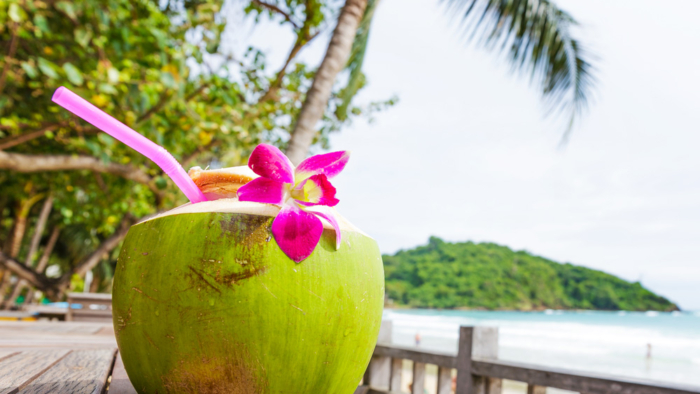
coconut-drink-in-the-resort-4B7VJPJ

Strengthening the Tobago Tourism Sector through Green Key

On the 28th and 30th July 2020, the Tobago Tourism Agency Ltd. (TTAL) in partnership with Green T&T officially launched the Tobago Green Key programme through the virtual engagement of approximately forty (40) owners and managers of small and large tourism accommodation facilities in Tobago.  

The Green Key award is a leading standard of excellence in the field of environmental responsibility and sustainable operation within the tourism industry. There are over 3200 Green Key sites globally with a heavy concentration of these sites within Tobago’s key source market of the United Kingdom and Europe. The decision taken by the TTAL to encourage local tourism establishments in Tobago to be Green Key certified is a strategic one given the global demand for an eco-friendlier tourism and signals strong commitment and action to raising the standard of quality at the destination and the overall international appeal of destination Tobago. Narendra Ramgulam, Director Tourism Product Development & Destination Management at the TTAL states “Green Key is critically important to ensure that we develop and encourage low carbon footprint products for our destination. This not only gives us an attractive appeal in the eyes of our eco-seeking global customers especially from the UK and Germany, but it raises the standard and quality of sustainable products on the island of Tobago and enhances development that are in sync with our image and brand. Both the Green Key and Blue Flag Certification – an ecolabel for beaches and marinas, will give us an edge and competitive advantage over our competitors. Our stakeholders have shown an interest in engaging in the Green Key programme, not only for its competitive advantage but because they believe that it is the right thing to do from an environmental perspective and this augers well for the future of the industry here.”   

This prestigious eco-label represents a commitment from tourism business owners that their establishments adhere to the strict international criteria as stipulated by the Foundation for Environmental Education (FEE). A guest opting to stay at a Green Key awarded property is one of the greatest ways a guest can make a difference on an environmental and sustainability level. Green T&T, a local environmental non-governmental organization acts as the national operator on behalf of FEE in Trinidad and Tobago (T&T) for the coordination of both the Green Key and Blue Flag programmes. Green T&T is dedicated to increasing environmental awareness and improving environmental consciousness through education and environmental certification in T&T. Tenisha Brown-Williams, Green Key Coordinator at Green T&T believes in this COVID-19 period, those destinations that commit and follow through with solid environmental practices will gain competitive advantages since travellers are now more conscious of how safety, sanitation and environmental practices will aid in preserving their well-being. The Green Key certification, she states, can boost Tobago’s visibility and appeal on the international market to the ‘green traveller’ who will visit Tobago’s pristine and unique environment and act responsibly.

The Green Key programme is currently open to the following categories within the hospitality and tourism sector: Hotel & Hostel and Small Accommodation and will later include Attractions, Restaurants and Conference Centers in Tobago. For further information in attaining the prestigious Green Key award, please visit https://green-tt.org/green-key/ or https://www.visittobago.gov.tt/corporate/trade-resources/green-key or contact the TTAL at +868 612 8825 ext. 2005 or email: kcowie@tobagotourism.org or email the National Green Key Coordinator at greenkey@green-tt.org

TANDT

Champion Environmental Causes and add value to your property

Written by Joanna Moses-Wothke, Blue Flag & LEAF Trinidad and Tobago Asclepius Green

Las Cuevas Beach, located on the North coast of Trinidad, is the only Blue Flag certified beach in the Southern English-speaking Caribbean since January 2015. This means Las Cuevas beach has met internationally recognised standards for safety and environmental awareness and is among 4,000 beaches in over 50 countries that promote good environmental practice identified by the Foundation for Environmental Education (FEE), the Denmark-based non-charitable organization.

Las Cuevas Beach has twice complied with the 33 Blue Flag beach criteria, including monthly water quality testing. The Blue Flag National Coordinator for Trinidad and Tobago, Asclepius Green, continues to work diligently with the Tourism Development Company (the beach operator for Las Cuevas), the Ministry of Tourism and the 12-member National Blue Flag Jury to ensure the beach maintains its acquired status and working on the establishment of other Blue Flag beaches.

Although Blue Flag is synonymous with beach cleanliness and safety, it is recognized as an avenue to reinforce existing legislations. Bathers at Las Cuevas are now empowered to report any lawbreaking activities such as driving on the turtle nesting beach. Las Cuevas beach is a prolific nesting site for the endangered Leatherback turtles. The local population of the nesting Leatherback is one of the three largest in the world and a few beaches around the country’s coast are the best managed and monitored. Five of the seven sea turtle species in the world, feed in waters around Trinidad and Tobago or return to lay eggs.

Although the turtle nesting generally occurs outside of the Blue Flag area, the ease of accessibility to drivers led to driving along the beach especially near turtle nesting areas. The turtle conservation group, Las Cuevas Eco Friendly Association, has been pleading with these lawbreakers but the use of the social media has gotten the attention of law enforcers responsible for the protected species leading to the erection of signs restricting driving access on the beach. Families to Las Cuevas can now enjoy a true eco-tourism experience; a safe environmentally- friendly beach with turtle nesting viewing.

Hotels and tourism organizations that manage beaches are called to action to support an environmental cause that promotes sustainable tourism management. Blue Flag offers the opportunity to champion an inter/intra-sector programme in your country that adds value to beach-front properties, create confidence in seaside attractions and provide a competitive advantage.

CARIBBEANHOTELANDTOURISM.COM

IMG_2841-1024x683

Trinidad and Tobago engages in Responsible Pet Ownership Project to control the stray animal population

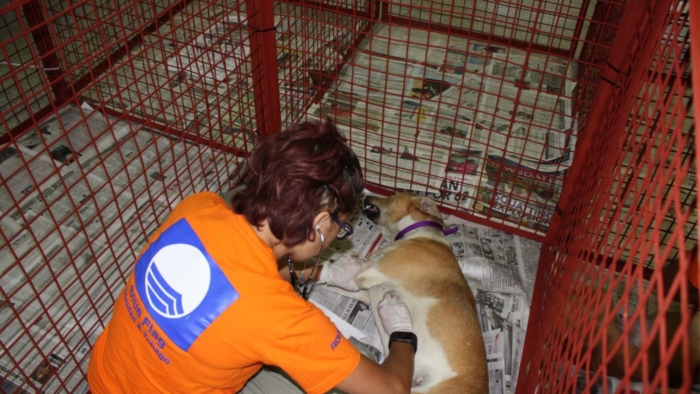
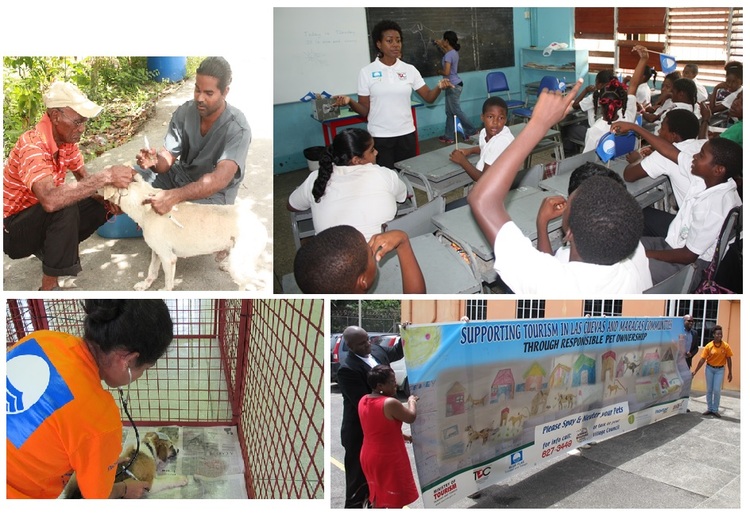
One hundred and seventy-three (173) pets belonging to residents on the North Coast of Trinidad received free veterinary treatment during the final segment of a four-part community engagement – “Humane Stray Animal Control through Spay and Neuter Intervention and Responsible Pet Ownership” programme facilitated by Asclepius Green, the National Coordinator for the Blue Flag programme, and supported by the Tourism Development Company (TDC) in May and June 2016. Asclepius Green is proud to work with the Beach Operator (TDC) as they seek to meet and maintain strict Blue Flag certification criteria including the control of the stray animal population on its Blue Flag beach.

The clinic was officially opened with a small ceremony attended by Tourism Officials, members of several animal welfare NGOs and staff and students of the Las Cuevas Government Primary School. The field veterinary clinic had a dedicated veterinary team of passionate volunteers giving over 900 hours of free work to the project. The clinic opened daily from 7:30am to 7:30pm and of the 173 animals seen, 102 were spayed/neutered.

The Responsible Pet Ownership project was one of five environmental outreach activities completed by the TDC in order to maintain the Las Cuevas beach facility’s Blue Flag status.

Other community outreach initiatives undertaken included an interactive school outreach session at the Las Cuevas Government Primary School; a community outreach event on responsible pet ownership and tourism; and a community walkabout to raise awareness, provide basic medical care to pets and pre-register pet owners for a free spay and neuter field clinic.

BLUEFLAG.GLOBAL Article